
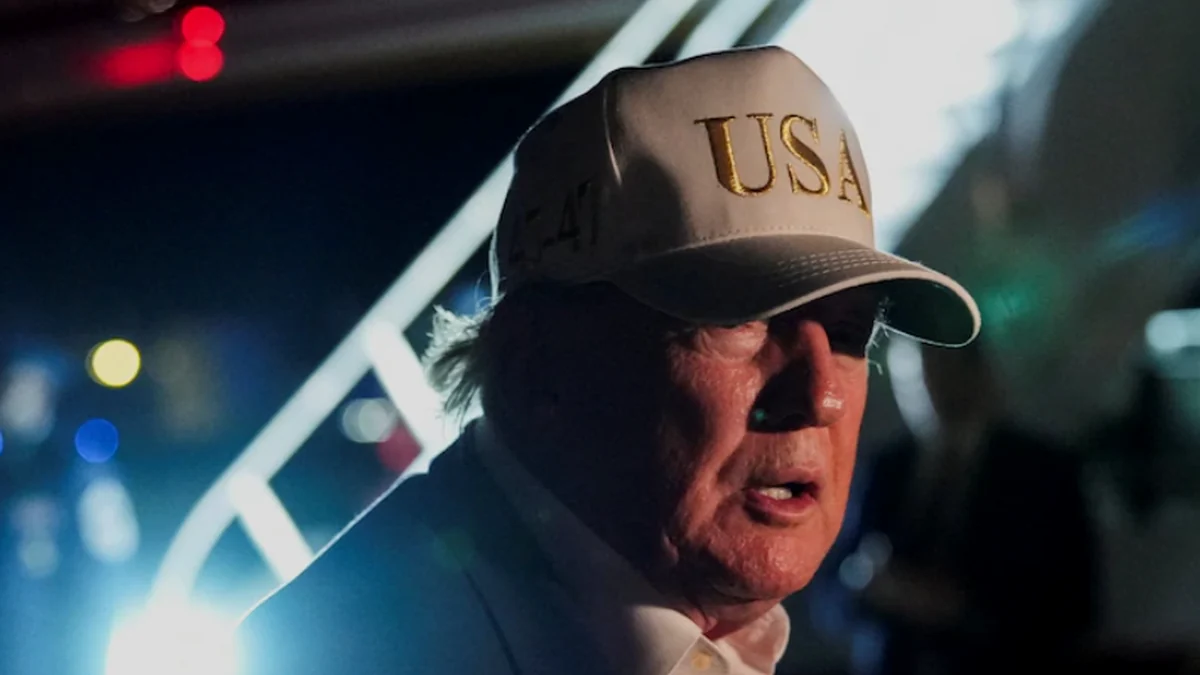
The Trump administration is preparing to announce a new round of tariffs on 16 economies, and it could come any hour now.
US Trade Rep. Jamieson Greer was expected to roll out the package on Tuesday, just before Thanksgiving. Broken by Bloomberg and the Wall Street Journal. Then Reuters and AP followed with their own sources. The list: China, European Union, India, Japan, South Korea, Mexico, Taiwan, Vietnam, Thailand, Malaysia, Cambodia, Singapore, Indonesia, Bangladesh, Switzerland and Norway.
Before we go any further one caution. The final notice wasn't public when this was written, so some numbers below are from people familiar with the plan and could change.
In February, the Supreme Court ruled that Trump couldn’t use an emergency law to impose sweeping tariffs. That should have been a major setback. It turned out to be more of a digression.
The White House initially imposed a temporary 10% tariff under Section 122, which expires after 150 days. On March 11, Greer then initiated two investigations under Section 301. One looked at surplus industrial capacity, the other at forced labor. Trump applied Section 301 against China in his first term, and lawyers generally say it has a better chance in court than the emergency route did.
The forced-labor probe came first. In July it levied duties of 10% to 12.5% on imports from dozens of economies. India got an additional 10%.
The capacity probe is now complete.
The argument runs like this. Governments subsidize and provide cheap credit to their factories, so the plants keep running even when nobody much wants their products. That surplus is exported and sold in markets where it drives out the American producers.
The probe identified steel, aluminum, autos, batteries, electronics, machinery, chips, ships and solar modules, among others. The USTR pointed to big German and Irish trade surpluses for the EU. In Singapore it was semiconductors. Fuel and seafood exports for Norway.
Back in March, Beijing labeled the entire affair as "political manipulation". Brussels said it would "respond firmly" if the move violated the existing EU-US deal. No position is likely to have hardened.
Not everyone gets the same number, which is the part trade lawyers will chew.
Countries that have signed deals will have their caps respected. Reuters: 15% EU, Japan and South Korea 19% Malaysia. Add in what they already pay and the EU, Japan and South Korea could see increases of just 2.5 to 5 percentage points, the New York Post's reading of the plan said.
The overall rate for China would continue to be at or below 20%. Vietnam, Cambodia and Malaysia could be hit harder as their deals set higher baseline tariffs. One design reported: impose steep duties to offset the alleged subsidies, and then suspend the duties down to whatever the deal permits.
Steel, aluminum and autos already have their own tariffs and will probably be excluded. Some outlets also say oil, gas and fertilizers would be exempt, though I'd take that one as less settled.
Talks on a temporary trade deal with Washington have been going on for some 21 months now. India could end up with steeper duties than Japan or the EU, depending on what its own arrangement allows, the Journal reports. New Delhi's position is that the probe does not single out any specific unfair Indian practice.
And then there's the July layer. India already pays an additional 10% under the forced labor action. For textile, engineering and electronics exporters, another tariff on top of that is a different conversation, as they care less about the headline rate and more about the total landed cost.
AP notes the administration is moving forward even after a stinging defeat for Republicans in this month’s midterms, which were dominated by concerns over prices. Inflation remains high.
The Democrats acted quickly. Rep. Deborah Ross, North Carolina’s Democratic congresswoman, called it the “worst Black Friday deal ever,” saying families would pay more. Proponents of the tariffs argue the opposite: that it is the only leverage Washington has against state-backed overproduction, especially from China.
Tech stocks were hit hard Tuesday, with the Nasdaq taking a beating. Analysts attributed the decline to tariff nerves and worries about AI spending, though it's difficult to say how much of the drop was which.
The big question is China. Trump and Xi met in Shenzhen on 19 November and their truce is still fragile. Earlier this year, Greer said, the US had said it would not increase tariffs on Chinese goods above existing levels. A cap of about 20% fits that, but Beijing has not said whether it agrees.
The Federal Register notice will detail exact rates by country and product. It's all reporting, not policy, until it lands. As of this writing, it had not been published.






Comments 0