
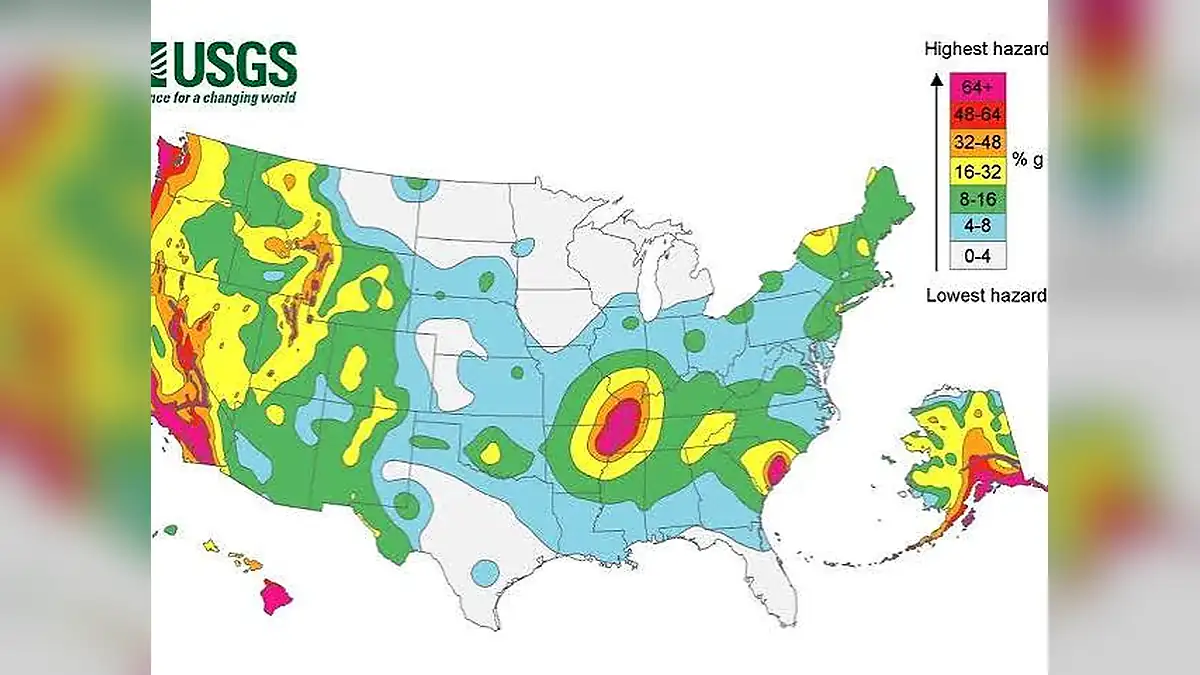
A 5.0-magnitude earthquake hit off the coast of Manhattan Beach in Southern California on November 28, 2026, causing tremors in the Los Angeles area and setting off numerous aftershocks. The earthquake response protocol was triggered by emergency services as people reported strong tremors, falling objects within their homes, and disruption in activities.
The earthquake took place around 9:30 a.m. local time, and the epicenter of the earthquake was about 5 kilometers away from Manhattan Beach, as per information available from the United States Geological Survey (USGS). While there were no immediate reports of injuries or extensive damages following the main shock, the aftershocks have continued to concern everyone.
Smaller earthquakes were still being recorded in the region as updates became available on November 29.
This main earthquake hit off the coast of Manhattan Beach, which is a seaside city located in Los Angeles County. According to USGS, the magnitude of this earthquake was 5.0 and the depth was about 12.8 kilometers.
The initial magnitude of this earthquake was reported to be much higher but it got adjusted due to the arrival of new information. This is something that usually happens since it is possible to get a more precise reading after collecting new data.
The tremors could be felt in many Southern California cities, which include Manhattan Beach, Hermosa Beach, Redondo Beach, El Segundo, and other areas in the larger Los Angeles region.
As mentioned by the Associated Press, people experienced shaking hard enough for items to fall from shelves in their houses and to scare animals. LAX airport operations were interrupted during the earthquake as well.
This earthquake was registered by the USGS on their earthquake information webpage as one of the notable earthquakes.
This earthquake event had several aftershocks experienced in the region. As per reports by ABC7 Los Angeles, at least 40 aftershocks were registered in the nearby areas.
The most notable aftershock event experienced was at a 4.5 magnitude and occurred around Hermosa Beach around 11:41 am. A 4.0 magnitude quake was also recorded in the area of Manhattan Beach around mid-day.
There were some minor aftershocks that occurred in the Santa Monica Bay. Additionally, European-Mediterranean Seismological Centre reported several felt earthquakes in the Torrance vicinity with magnitude 3.5 and 3.0 in its November 29 UTC reports.
An aftershock event is part of an earthquake sequence. This occurs due to the realignment of underground rock formation following the movement that causes the initial quake. Although most aftershocks tend to be smaller in magnitude, there is a possibility for larger aftershocks to occur.
Seismologists have warned people to be on alert since further shaking would last for several minutes, hours, and even days after the initial one.
Following the occurrence of the earthquake, the Los Angeles Fire Department initiated the earthquake response process.
The employees of all the 106 neighborhood fire stations were instructed to do a strategic assessment of their respective neighborhoods. This involved checking any infrastructure in the area that could have been affected by the earthquake.
The earthquake response process of the department involved assessing the entire area within the approximately 470 square miles of the city.
According to the Associated Press, the department proceeded with its regular activities after making sure that there were no injuries or damages within the city.
Mayor Karen Bass of Los Angeles also urged people to be prepared for the aftershocks.
There were no signs of significant damage or any injuries as a result of the 5.0 magnitude earthquake. Still, there were some local consequences.
Los Angeles International Airport was disrupted as a consequence of the earthquake. Some reports were received about the breaking of the windows and falling of objects in some areas.
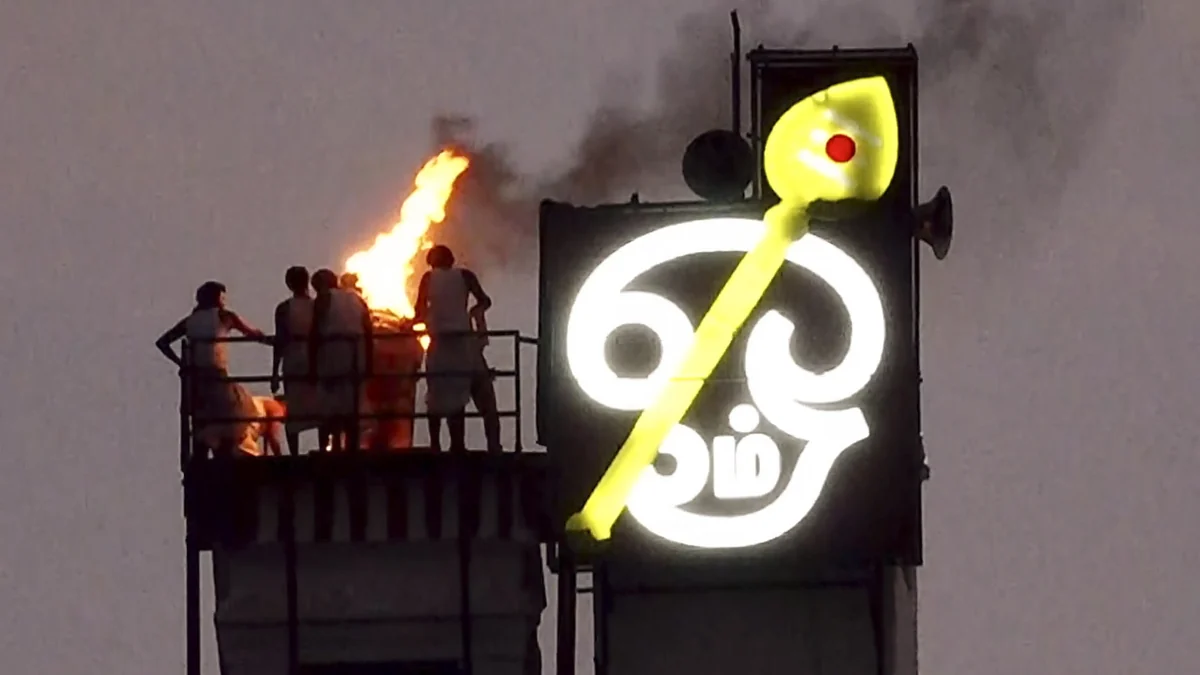
Safety systems at Chevron refinery in El Segundo were activated as a result of the earthquake, making the flare systems work. As Chevron stated, this happened due to the automatic response to the earthquake and this activity posed no danger to the surrounding communities.
There were no signs of tsunami threat due to the earthquake.
Southern California lies in a geologically active area caused by plate movement. The Pacific and North American plates move past each other, causing stress in the area along different faults.
This stress may suddenly release due to the movement of the fault line causing earthquakes.
There are many different fault lines in Southern California, such as the San Andreas Fault. But the particular fault line that caused the earthquake on November 28 in Manhattan Beach was not yet known at the time.
Seismic activity is monitored all the time by means of special measuring devices. This allows for the estimation of the size of the earthquake and its epicentre.
It is recommended by emergency services to follow the earthquake safety rule – Drop, Cover, and Hold On.
During shaking, you need to get down, cover your head and neck, and if possible, find protection under some kind of sturdy furniture. You shouldn't be near windows or any falling objects.
Individuals should also be aware of any potential gas leaks, electrical dangers, and more tremors. Updates provided by the USGS and the emergency services of the locality will always be the most accurate sources of information.







Comments 0