
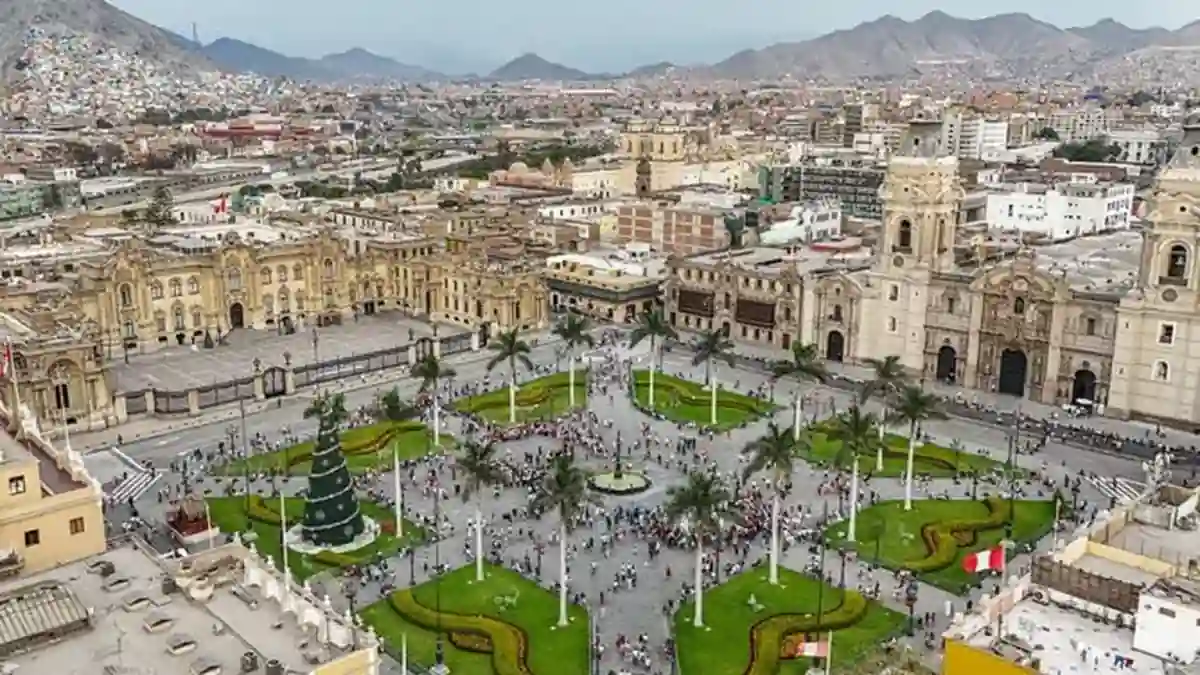
On a Friday evening, the sidewalks of much of central Peru were packed.
All over Lima, residents poured from apartments, shops and office towers as the earth began to move just after 7 p.m. local time. In the capital's Miraflores district, where AFP is based, dozens of buildings swayed and hundreds poured into the streets. But the quakes did not stop at the coast line. It was felt in at least seven other regions, including Ancash, Ica, Ucayali, Cerro de Pasco, Huanuco and Callao.
The tremor interrupted business in government chambers at the congress building in Peru. Lawmakers were cautioned to evacuate the chamber by State TV.
Not everyone made a beeline for the exits, however. One short clip out of a Peruvian news studio went viral shortly thereafter when a news presenter rattles her way through a live news bulletin as the camera shakes and studio furniture glides past her.
The US Tsunami Warning System was quick to calm coastal nerves, saying there was no tsunami warning, advisory, or watch in place.
For the first few hours, seismologists were adjusting the numbers. The US Geological Survey placed the quake at 6.7 and 108 kilometers deep. Germany's Research Center for Geosciences recorded the same quake at 6.8, while Peru's Geophysical Institute put the epicenter in the Junin mountains at a depth of 129 kilometers.
That depth probably saved lives.
"Deep quakes are felt over very large areas," Jones says, explaining why a quake in the Andes rattled windows in Lima. That extra miles-worth of rock act like a muffler to much of the surface energy that's very frantic and can topple the buildings in a shallower quake. But a much less severe quake in the same Junin area in July claimed six lives and injured some 30 others when it flattened 52 homes because it was closer to the surface.
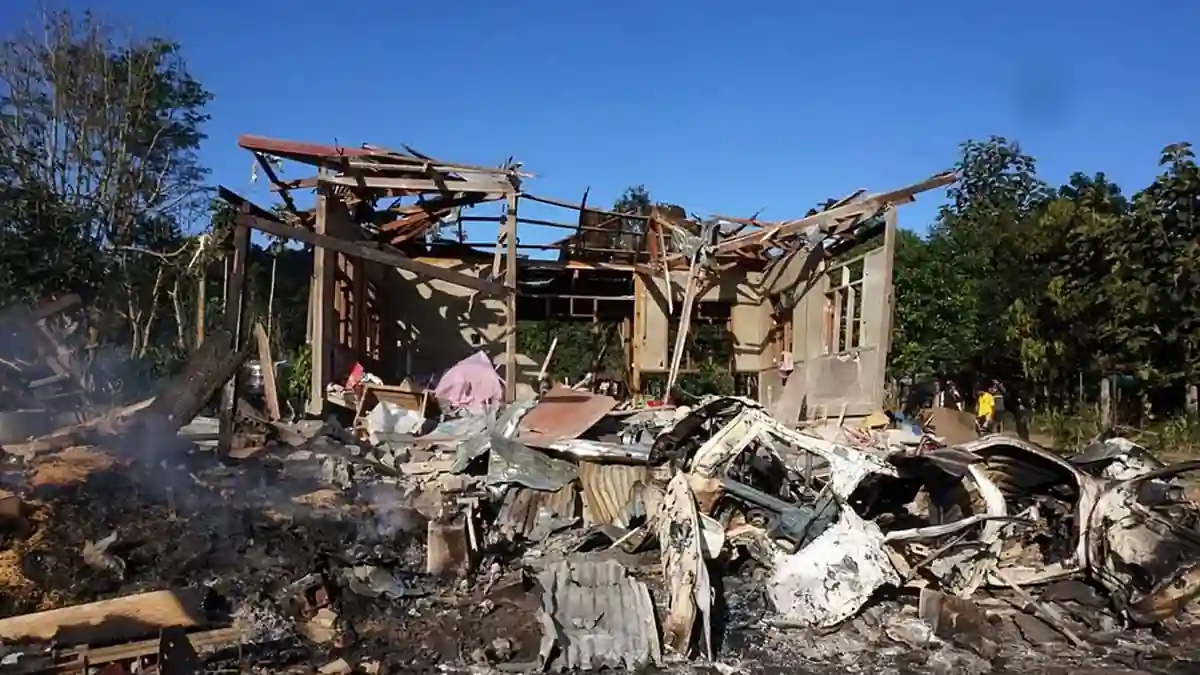
However, the deep epicenter did mean that Friday's jolts weren't without their downsides when it came to size. Early emergency monitors said there was minor structural damage, power outages and landslides on quake-prone mountains.
The Peruvians weren't even nervous yet on Friday nite.
Three days before Tuesday, a M 5.4 quake already rattled the coast near Changuillo (south of Lima), with a M 4.8 aftershock. Those quakes occurred as Pope Leo XIV was celebrating Mass in the Peruvian capital.
"It's just the way it is with the Nazca Plate grinding beneath the South American Plate along the Pacific Ring of Fire." Seismologists estimate that Peru suffers at least 400 quakes a year, but the vast majority are too small for humans to notice.
The timing and location of Friday's tremor quickly caught the eye of the business world, too. Peru is the world's third-largest producer of copper, and the Junin region is at the heart of its mining belt. That includes Hoosier homes and a medium-sized copper mine like Toromocho, and any disruption to roads-power lines, or infrastructure in the mountains would be a gigantic economic problem.
Officials have yet to reach remote Andean villages near the epicenter in Junin.
Lima was spared major damage, but it could be hours and days before landslides in remote Andean regions and power outages are assessed. Emergency crews continue to assess rural roads, older homes, and area infrastructure to determine if the minor damage reported so far is more widespread in more remote towns.
Mining operations in Junin have also not yet reported full operational updates. It's unclear whether the shaking or the said power cuts are to blame for any temporary suspensions at Toromocho or other nearby copper mines.
Finally, seismologists say they can't say whether Friday's quake will wrap up the active week. The strong tremor was the second such event in four days, a spread from the first in Lima, and emergency crews and residents are on alert for aftershocks.







Comments 0