
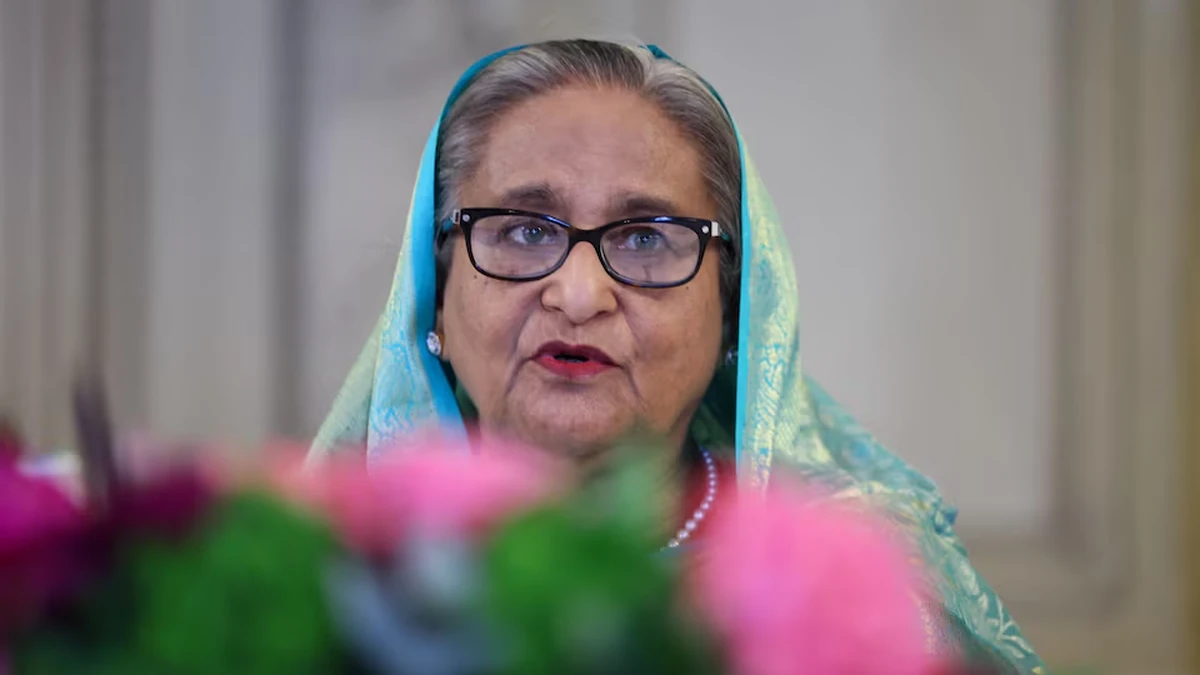
December 16 is not an arbitrary date. It's called Victory Day, the anniversary of the end of the 1971 war with Pakistan, and few dates are more important in Bangladeshi politics. Her father was the leader of the independence movement. That history is the bedrock of her entire political persona.
Her spokesman Syed Mozammel Ali detailed the plan in a statement. He said Hasina was flown to India on a Bangladesh aircraft on August 5, 2024 and now it is the job of the government to bring her back in the same way.
She has been dropping hints about coming home in December since July. Nobody had a day to circle until now.
The request is unusual, to say the least. The death-row woman has asked the government that sentenced her to fly her home.
"Having sent her into exile contrary to the Constitution, the state must now make it possible for her to return," Ali said in the statement. Whether that argument holds any water outside her own camp is another matter. A Bangladeshi government spokesperson could not be reached for comment by Reuters.
And then there is a wall of paperwork. Months after she fled, her diplomatic passport was canceled and the government rejected her request for a new passport and national ID card. Indian and Bangladeshi media reports said officials had gone further and questioned whether her signature on the application was genuine. Her lawyers have written to the mission of Bangladesh more than once.
The State Foreign Minister Shama Obaed Islam told Reuters on Sunday that Hasina would be arrested as soon as she tries to enter the country and taken to jail. “She’s going to have to face the music,” she said. The minister said no formal discussions have been held with India on sending an aircraft.
Hasina has said she intends to surrender to a court but earlier this year Law Minister M Asaduzzaman went a step further by saying she would likely be detained before she even got the chance to do so. She is 78 years old.
The government’s preferred way is not.” It wants India to honor the extradition treaty and return her as a convict. India's foreign ministry said in April it was looking into the request. It hasn't really said much since.
The date is in a country that is not quiet.
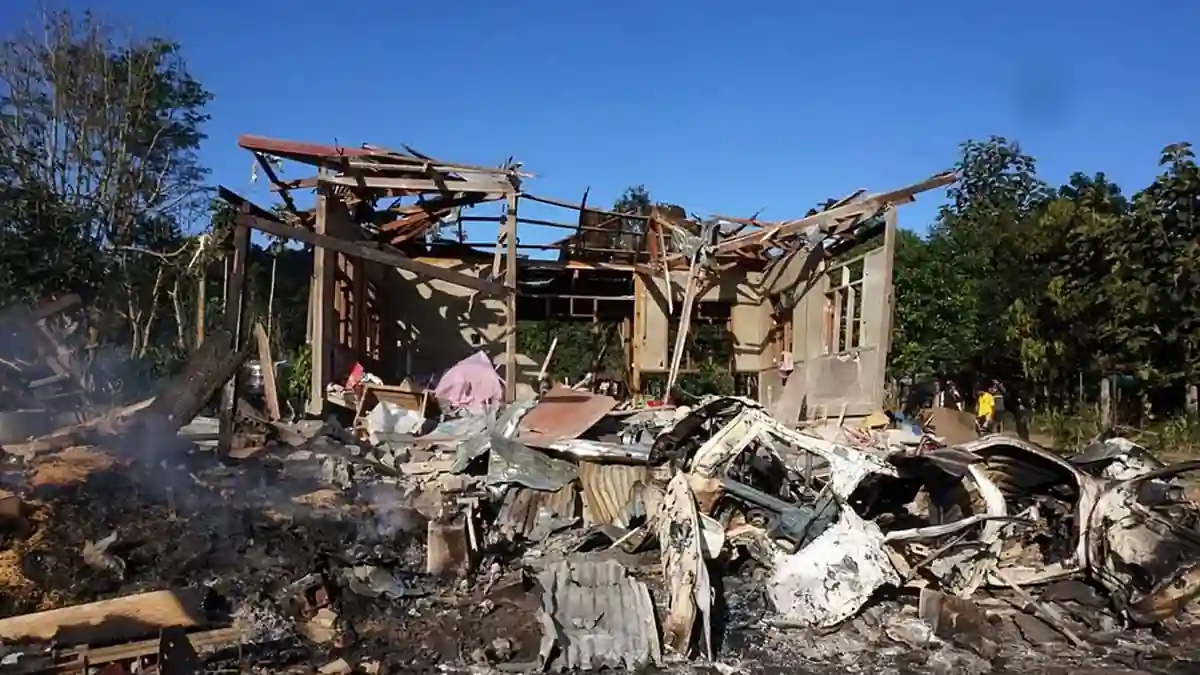
The Awami League, banned after the 2024 uprising, called a week of protests and rallies culminating in a nationwide lockdown on November 19. Parts of the country went dark. Police said two members of the ruling party were killed and the ancestral home of Nobel laureate Muhammad Yunus in Chattogram was torched late on the eve of the shutdown. His family members upstairs were not hurt.
The Border Guard shifted 97 platoons to seven districts including Gopalganj and Faridpur where Hasina has a strong support base.
Police reported dozens of crude bombs explosions and vehicle arsons in at least 28 districts over about 10 days. Grameen Bank, the microfinance institution Yunus founded, said 37 of its branches and offices had been attacked by arson or attempted arson since November 10.
The government has blamed the Awami League, saying the violence is a survival tactic of a politically bankrupt party. Awami League officials said the blame lay with the present establishment. Home Minister Salahuddin Ahmed said those responsible for the unrest will be identified and faced the law.
New Delhi has been silent. And that silence is becoming harder to sustain.
Hasina has been in India since she fled Dhaka. The government of Prime Minister Tarique Rahman, whose party won February's election after the Awami League was barred from participating, is pressing India. Obaed said Dhaka wants balanced relations that do not compromise its “dignity, self-respect and interests,” and that India must decide what kind of foreign policy it wants to have toward Bangladesh.
Quoting Indian media reports, The Daily Star said four Awami League leaders recently visited the Petrapole border crossing and looked at possible routes for her return. Bangladeshi politicians have questioned India’s role in that. So far, there’s no official confirmation of such a plan.
Indian flight to Dhaka, land crossing, Biman charter flight. Either option would drag India into a situation it would rather watch from the sidelines.
None of this occurs in a vacuum. The UN said up to 1,400 people died in the unrest that overthrew Hasina. A war crimes court in Dhaka sentenced her to death last November for ordering the crackdown. She denies the allegations.
So there’s not much ambiguity to the arrest warning – and her supporters believe the entire process is political.
The next three weeks will have a few pressure points. If Dhaka chooses to revisit her request for a passport, which is unlikely. Whether India says anything publicly on extradition or transit. If the protest violence escalates or fizzles out. And whether Hasina, who has insisted that she will return even at the risk of death, will stick to December 16 once the logistics fall apart, as they probably will.
Right now we have a date, a threat of arrest and no plane.





Comments 0